Green Coffee Beans
Green Coffee Beans
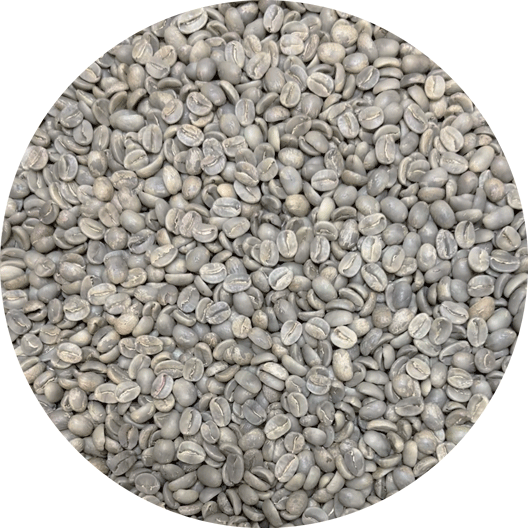
Grown on a family-owned farm on the slopes of Mauna Loa in Hawaii’s Kona Coffee Belt, this coffee comes from traditionally terraced Japanese trees that have thrived for generations. The farm, located in Captain Cook village overlooking historic Kealakekua Bay, was carefully restored after years of neglect, with meticulous attention to pruning, weeding, and fertilization. Today, these 80-year-old trees yield lush, vibrant beans with exceptional quality.
The cup is smooth, balanced, and versatile, shining from medium to dark roasts. Lighter roasts offer a bright, fruity island acidity with chocolaty, nutty undertones and a subtle herbal spice finish. As the roast deepens, acidity softens while nutty and chocolate notes intensify. Near or into second crack, the coffee develops rich smoky and roasty characteristics that complement its naturally sweet profile.
Ideal at medium to medium-dark roast levels, this coffee delivers a sweet, caramel-like cup with nutty and floral hints at medium roast. Near second crack, the cup becomes fuller-bodied, lower in acidity, with a sweet and savory balance and a distinctive island finish, perfect for showcasing the classic Kona character.
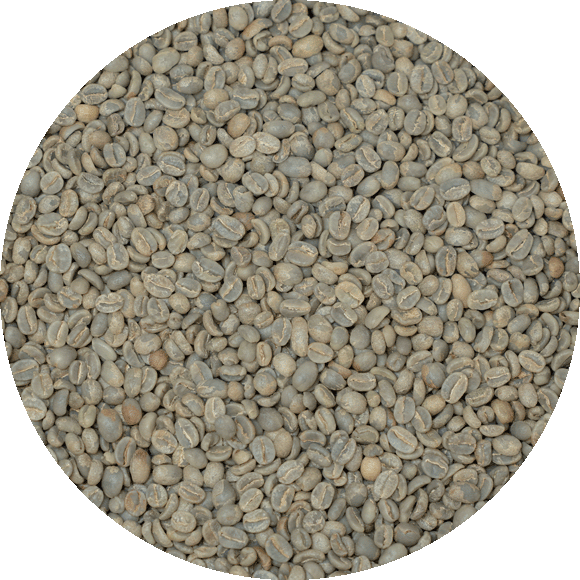
I. Origination:
This coffee hails from the Huehuetenango department in Western Guatemala, bordering Mexico, a region renowned for producing some of the best coffees in Latin America due to its distinct climate, abundant water sources, and traditional varieties. Grown at extreme altitudes ranging from 1,400 to 2,200 meters above sea level. Huehuetenango plays a massive role in the area, where coffee accounts for roughly 80 percent of the local economy. The geography here is crucial; warm winds from the Mexican plains allow coffee to grow at these high elevations without frost, fostering exceptional density and sweetness. Being a small aggregate production, these beans give the taste of the land, terroir some would say. It is not traceable to a single farm but is a curated collection of coffees from smallholders that cup between 84 and 87 points. A clean, premium example of origin. Agronomically, this lot is a mix of varieties including Bourbon, Caturra, Catimor, Maragogype, and Pache. The coffee undergoes a traditional washed process where it is depulped and fermented for 12 to 48 hours depending on the climate before being washed clean and dried on patios or raised beds.
II. Flavor Profile:
A wonderful daily drinker from medium to dark roasts. Hints of semi-sweet winey acidity comingle with a rich malty undertone. Medium bodied with medium to low acidity. In light to medium roast range, the cup is crisp, showcasing a brighter citric note that comingles with a little nuttier darker note. Medium to dark roasts cut out the acidity creating a creamier mouthfeel. A smooth and rich cup. A bit roasty tasting into second crack but does compliment the semi-sweet and complex darker tones.
III. Roasting Notes:
Due to the high growing altitude of up to 2,200 meters, these beans are quite dense and hard, meaning they can take heat well. We recommend a Medium Roast to achieve the best balance. As an aggregate lot from various smallholders, there may be slight variations in bean size, but it generally roasts evenly. To highlight the citrus and apple notes, try ending the roast shortly after the first crack. If you prefer to boost the chocolate, Kahlua, and nutty characteristics, extend development towards the start of the second crack. Keep in mind the bean density might require a bit more energy at the start of the roast compared to lower-grown beans.
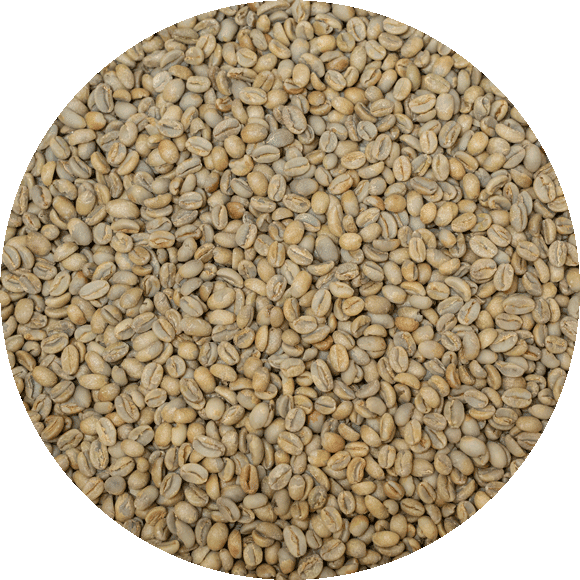
Sourced from the Kayon Mountain Coffee Farm in the Guji zone of Ethiopia’s Oromia region, this exceptional natural-processed coffee comes from a 500-hectare estate owned and operated by Ismael Hassen Aredo and his family since 2012. The farm spans two villages—Taro and Sewana—producing top-grade beans with careful attention to quality and consistency.
The cup is clean, bright, and delightfully complex, offering a diverse range of flavors. Expect stone and darker fruits, citrus, floral notes, and spiced chocolate tones, with a jammy body at medium to medium-dark roasts. Lighter roasts highlight citrus and red-fruit flavors with a dryer finish, while darker roasts emphasize baker’s chocolate, subtle strawberry notes, and mellow sweetness with reduced acidity.
This naturally processed coffee displays fairly even roasting with high chaff. Medium roasts bring a harmonious fruit-to-chocolate balance, while lighter roasts accentuate bright, floral, and red-fruit characteristics. Dark roasts develop rich chocolaty, smoky profiles with strong aromatics, though super dark profiles can become slightly edgy. Highly versatile, this coffee rewards exploration across roast levels.
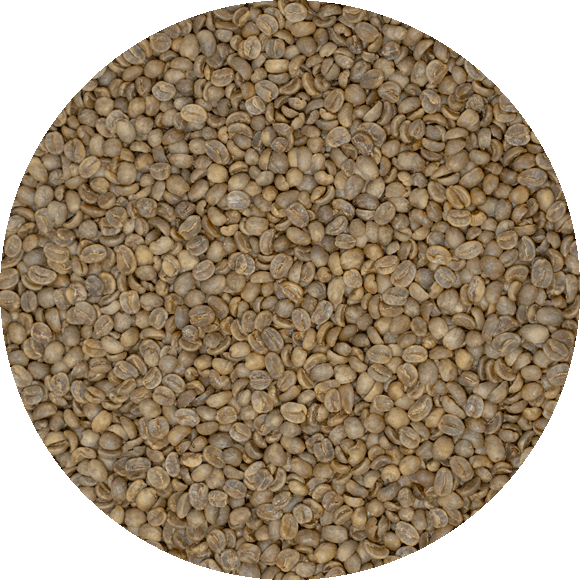
Sourced from high-altitude Colombian farms, this decaffeinated Arabica offers a full-bodied, high-quality cup with a rich and balanced flavor profile. The beans undergo a careful water and ethyl acetate decaffeination process, preserving the natural chocolaty and nutty notes while removing caffeine.
Expect a smooth, sweet finish with hints of walnut, chocolate, smoke, and subtle spice. Versatile in roasting, lighter roasts yield a crisp, bright cup, while darker roasts emphasize sweetness and smoky undertones. Ideal for exploring a range of flavors across roast levels, this Colombian decaf maintains the exceptional character and quality Colombia is known for.
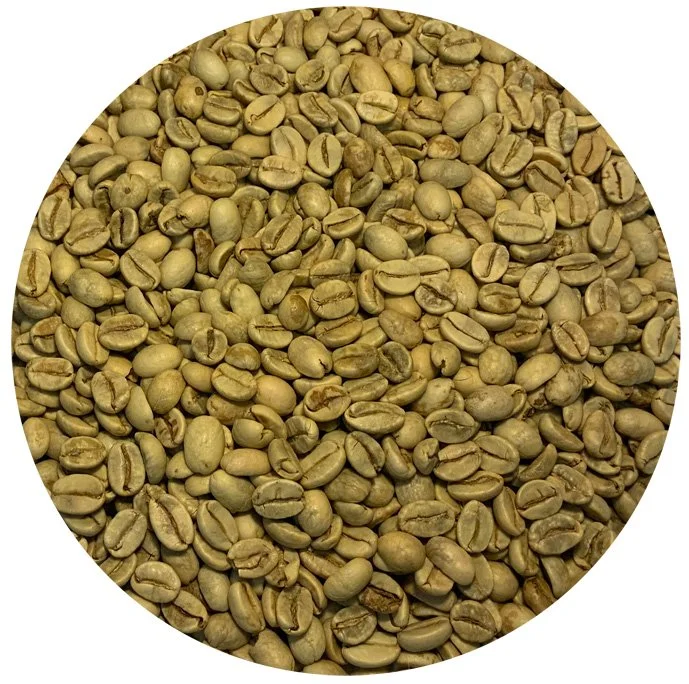
I. Origination:
Monsoon Malabar coffee is prepared from Arabica cherries (“cherry” refers to dry-processed coffees in India). After grading, the coffee is transported to the coastal city of Mangalore where the “monsooning” is carried out in large openwalled warehouses.
II. Flavor Profile:
The Indian Monsooned Malabar is a very low acidity, thick and creamy, overly earthy style cup of coffee. There is a lot of sweet tones in this cup depending on the roast and one can taste a little hint of the natural processing soft fruit tones and classic Indian spice notes. A pretty wild cup for you stronger coffee fans or espresso heads.
III. Roasting Notes:
Usually used for espresso at the darker roast points but many of our customers enjoy the single origin drip brew or french press at a slightly lighter roast point.
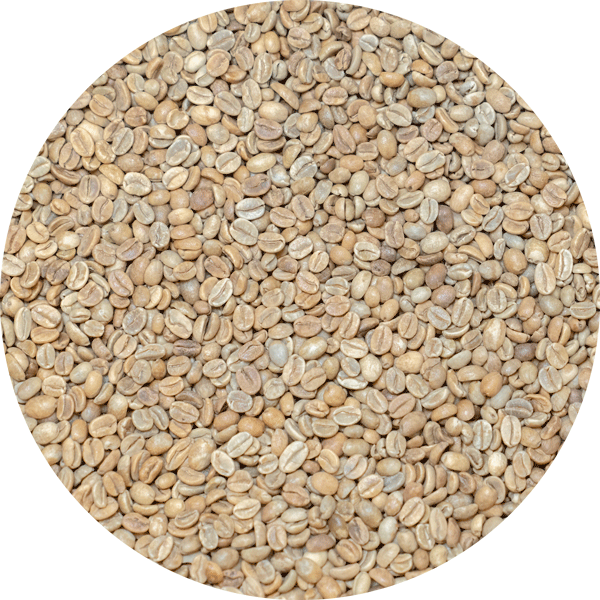
Sourced from smallholder farms on the volcanic island of Bali, this coffee is grown by farmers in Subak Abian (SA) cooperatives, guided by the Hindu philosophy of Tri Hita Karana, emphasizing harmony between people, nature, and spirituality. Certified organic since 2008, these farms never use pesticides and rely exclusively on organic fertilizers.
The cup is wild, complex, and richly textured, offering a naturally processed profile with moderate acidity and a full body. Expect vibrant fermenty and fruity notes, balanced with traditional Indonesian earthy and nutty character. Lighter roasts accentuate bright fruitiness, while medium roasts highlight chocolate and nut tones alongside the natural fruity complexity. Darker roasts introduce subtle smokiness while retaining sweetness and depth, creating a thick, creamy, and flavorful cup.
This bean produces slightly uneven roasting with higher chaff. The ideal range is around a full city roast (near 2nd crack), which balances the wild fruitiness with chocolatey undertones. Lighter roasts emphasize bright, fruity notes but may be slightly sour if underdeveloped. Pushing towards medium or darker roasts mutes some fruit while enhancing chocolate, nutty, and rustic characteristics reminiscent of single-origin Mokka or Yemen-style coffees.
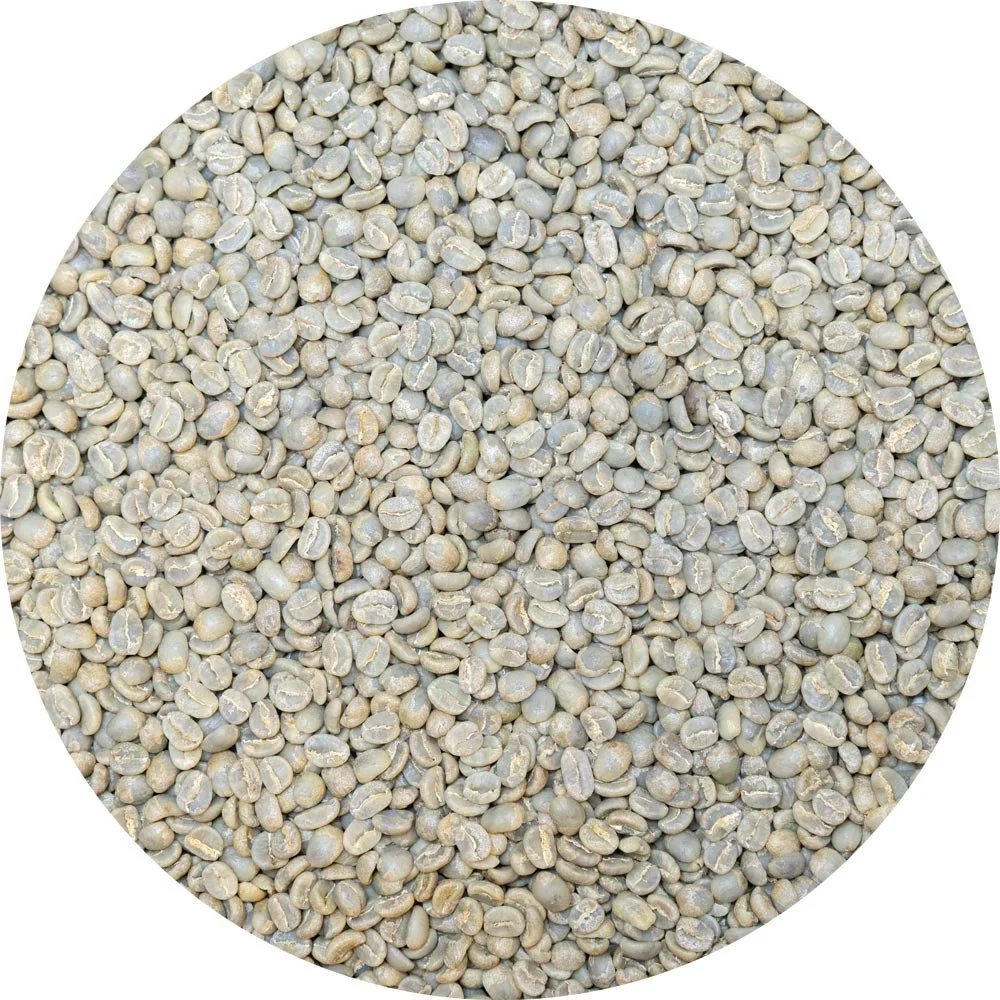
I. Origination:
Machakos county is one of central Kenya’s largest, beginning south of Nairobi and spanning northeast along the borders of Kiambu, Muranga’a, and Embu counties, some of Kenya’s oldest coffee producing areas. Machakos is lesser-known than the highly competitive central counties of Kiambu, Kirinyaga, and Nyeri, and while it is commonly known as “Eastern” Kenya, it nonetheless is capable of producing excellent quality coffees, as it contains similar latitudes and elevations to the rest of the central area.
II. Flavor Profile:
A great cup from light to dark, we thought it best in the light-medium roast levels but will work for darker roast fans as well. Higher acidity cup, comes off pretty lemony at the lighter roasts, has a nice touch of red fruit, down the raspberry alley. The lighter/brighter tones balance with a nutty/chocolate/herbal undertone. Unlike traditional Kenya, the herbal tone comes off more like a green tea, far less vegetal, a wonderful unique spin while not straying too far from classic. As it moves toward medium roasts, the cup becomes rounder and more structured, maintaining the citrus lift while deepening sweetness and body. In darker roasts, acidity drops back and the profile shifts toward bakers chocolate and deeper spice, with less fruit and citrus.
III. Roasting Notes:
An easy coffee to roast, tasty from light to dark and very even roasting, medium chaff levels. Lighter roasts emphasize its bright lemon acidity and bring forward the nutty, lightly herbal and spiced layers, which help differentiate it from the peaberry’s more fruit-sweet focus. A medium roast tends to offer the best balance, keeping the citrus lively while rounding the cup with chocolate, caramel sweetness, and a slightly fuller body. Pushing it darker will soften the citrus and reduce fruit character, leaning more into cocoa and spice. If your goal is to clearly separate it from the peaberry on the menu, keeping it in the light to medium range will highlight its brighter lemon, stronger nutty character, and more defined spice-herbal finish.
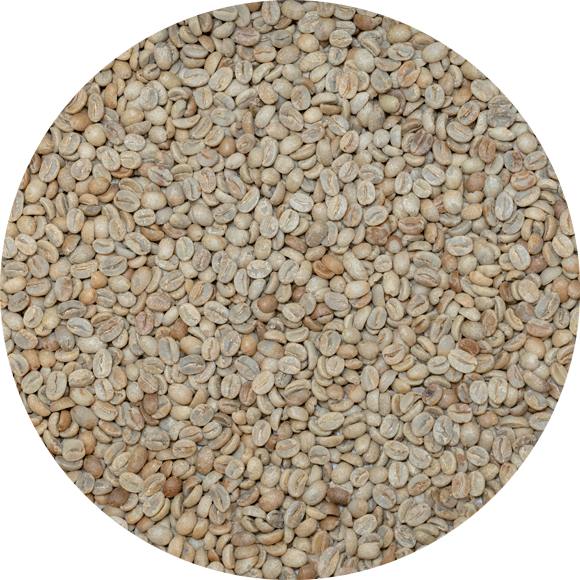
I. Origination:
This is season five of working with Keith Pech, owner of Damarli Estate. He has some family in the U.P. (Michigan) and passes by our warehouse from time to time when visiting them. Keith and his father David are on the cutting edge of Panamanian coffee, which says a lot, many think top end Panama coffees are the best in the world. Because he likes us so much, we get the best chops from his farm, as well as from his friends and neighbors. A super cool direct relationship that brings some of the best Panamanian coffees to our customers. Coffee is in the Pech families blood, Keith’s mom is actually part of the Ruiz family, who’s grandfather was one of the first specialty coffee pioneers in Panama.
II. Flavor Profile:
Although similar to the Typica, this Catuai is a more potent cup, stronger acidity with more complex darker tones (a little along the lines of African coffees). Light roasts themselves will be brighter with crisp lemony floral notes and more noticeable fruit tones, nutty tones to balance out the cup. Medium roasts bring a smoother and richer cup, develop the nuttiness into more of a malty/chocolate like taste, reduces the fruitiness but keeps the sweetness, still a bit lemony upfront but has a much more noticeable malt like tone with a bit of spice to balance it out. Darker roasts pull a little bitter/malty contrast but it goes well with the roasty and smoky tones and retains a sweet edge. A little longer setup sees a smooth a sweet darker roast.
III. Roasting Notes:
A bit dependent on personal taste what to do with this coffee and can be a bit harder to roast. High chaff, good to reduce the batch size slightly. Looks way darker roasted than it is, even at first crack, looks like you are pushing 2nd crack. If you are seeing splotches of color on a single bean, you are still in the light to medium ballpark. A strong shine to the beans are you are getting closer to 2nd crack than first. If you like acidity, floral and fruit tones, the light roast cup is pretty cool stuff. If you like traditional Panama and Central American coffee, good to go into the medium roast points to get some darker toned balance. Darker roasts will be exotic for the roast point, but we liked it best before 2nd crack. A longer setup time on these beans will help a ton, blasty coffees often need 3-5 days to start tasting their best.
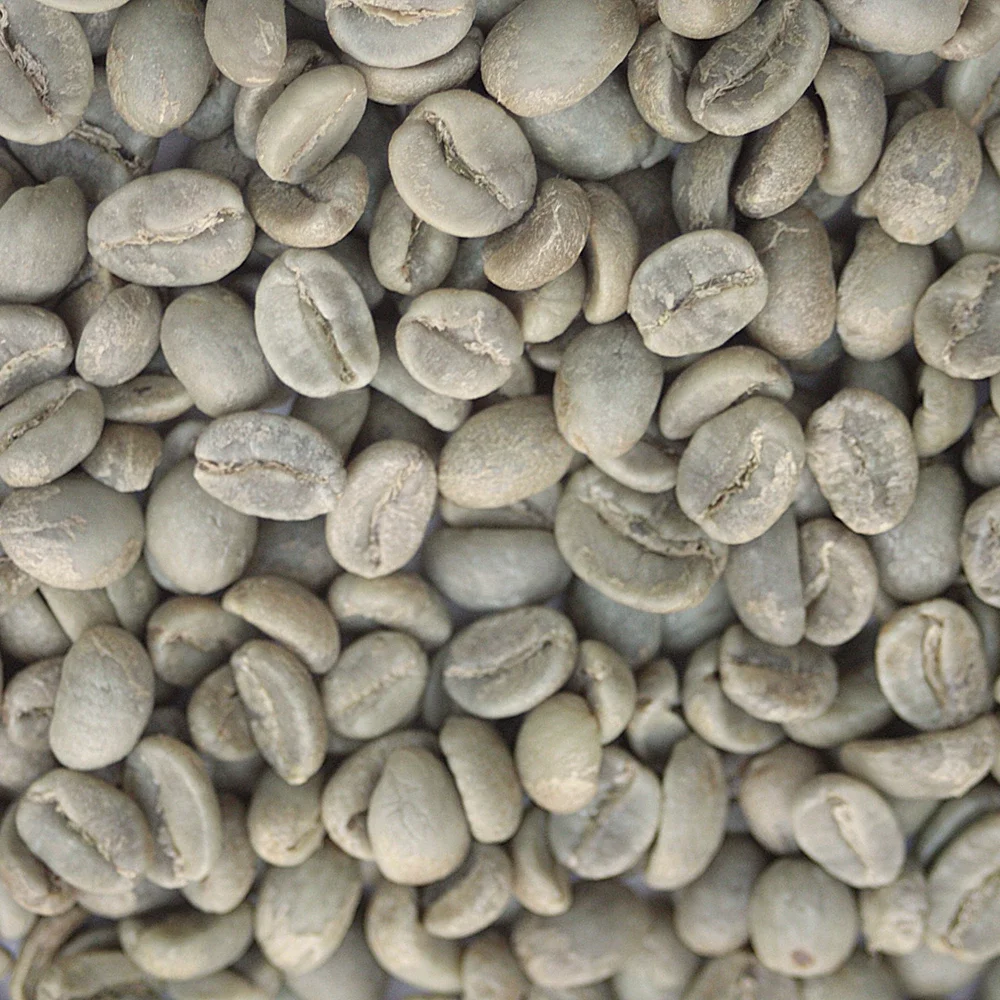
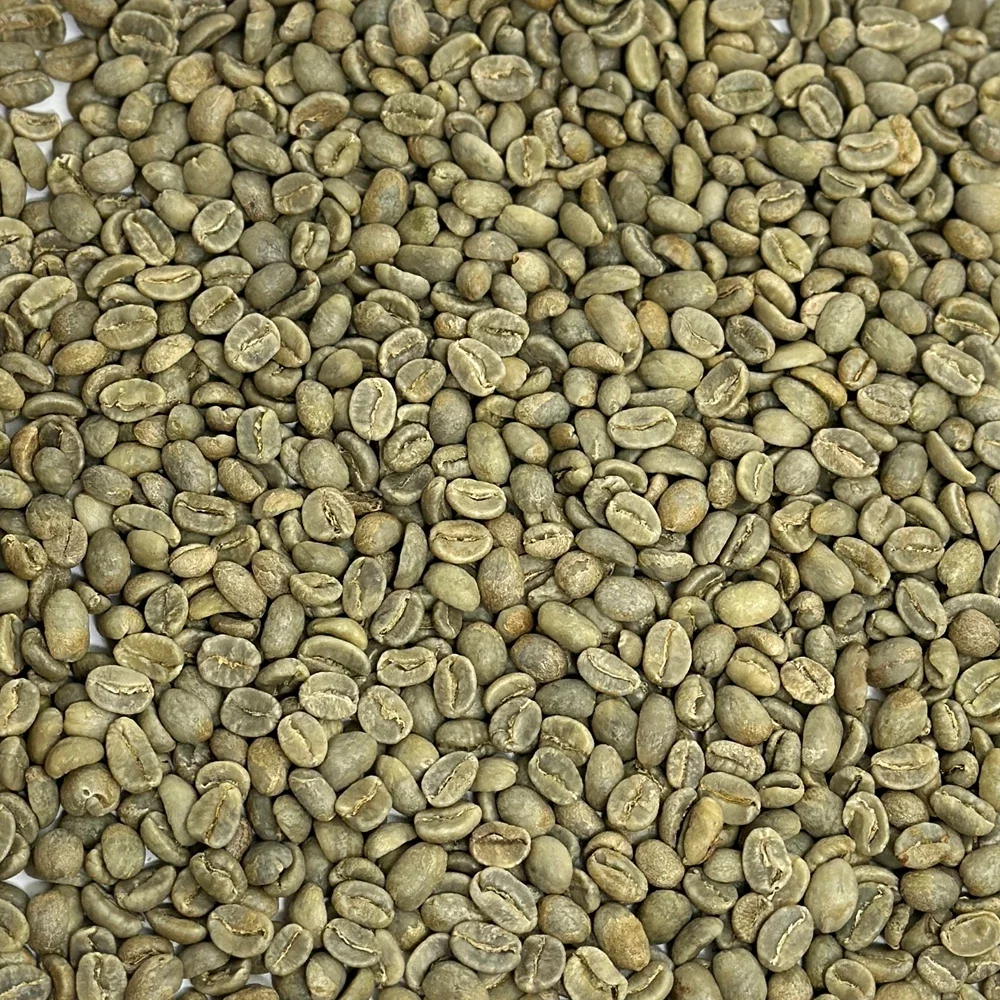
Sourced from the TAYRONACA Association, this green Arabica coffee is handpicked for uniformity and carefully processed with a combination of drying methods: 50% sundried, 20% on raised beds, and 30% mechanically dried. This meticulous process ensures consistent quality and flavor in every batch.
The cup delivers a sweet brown sugar aroma with a clean, exotic, and well-balanced flavor. Expect a rich, smooth, and silky medium-to-full body, complemented by bright, vibrant acidity. Tasting notes include orange, raspberry, grapefruit, peach, and chocolate, leaving a sweet, lingering, and satisfying aftertaste.
This versatile Colombian bean responds beautifully across roast levels. Lighter roasts highlight the bright citrus and fruity notes, while medium roasts bring forward the chocolate, peach, and brown sugar nuances. Darker roasts enhance body and sweetness while adding subtle caramelized tones. Ideal for experimenting with roast profiles to experience the full spectrum of flavors.